VRENTY CAR · SARANDA
Butrint by car: leave enough of the day for the site
The rental car gets you to the approach. Butrint itself is a visit on foot, with a pace shaped by the site, the weather and the people travelling with you.
Reviewed 20 September 2026
On this page
Give the archaeological visit its own time
Butrint is a UNESCO World Heritage Site. Treat it as the main visit when history is your priority, rather than a brief stop between beaches. Road time excludes parking, admission, walking and rest; check current opening and last-entry arrangements before setting off.
Saranda to Ksamil by car: plan the beach day beyond the drive
Find permitted parking and the visitor entrance
Navigate to the current visitor approach and follow local instructions for parking. Do not extend the drive onto a track or onward crossing simply because the map suggests a loop. Confirm that every proposed road fits the rental agreement.
Parking and driving in Saranda: handle the small details early
Plan for walking conditions
Bring footwear suitable for uneven ground, water and the essentials you can comfortably carry. Ask the site directly about current access if anyone has limited mobility or uses a pushchair. A place being reachable by car does not establish step-free access throughout it.
Add Ksamil only when the day allows
A meal or beach stop around Ksamil can complement the visit. Choose it after allowing for the site's full walking time and a comfortable drive back to Saranda. Avoid making a second prepaid activity depend on an optimistic finish.
Official information: UNESCO: Butrint ↗
Check the route from your actual starting point, current travel time and permitted access.
Give Butrint the main share of a sightseeing day
Butrint is reached by car, but the part you came to experience happens after you park. Make that distinction at the start of the plan. The archaeological site is on the UNESCO World Heritage List, and its appeal lies in taking time to look, walk and understand what you are seeing. Treating it as a quick photograph between beach stops can leave too little of the day for the visit itself. Decide whether you want a focused archaeological outing or a shorter introductory walk before adding anything else.
Start with the amount of time your group wants to spend on foot. Include pauses to read information, take photographs, find shade and rest. Then add parking, admission and the drive from Saranda. This gives a much more useful departure plan than beginning with the road estimate and hoping the rest fits. If one member of the group has a strong interest in the site, make that clear before travel so the visit is not cut short by another person's expectation of a brief stop.
Choose one priority within the day rather than promising a complete tour of every place along the route. You can still leave room for a meal or a Ksamil stop afterwards. The difference is that the optional stop uses the time that remains after a worthwhile visit, instead of the main visit using whatever is left between other commitments.
Understand the destination without turning the drive into a history tour
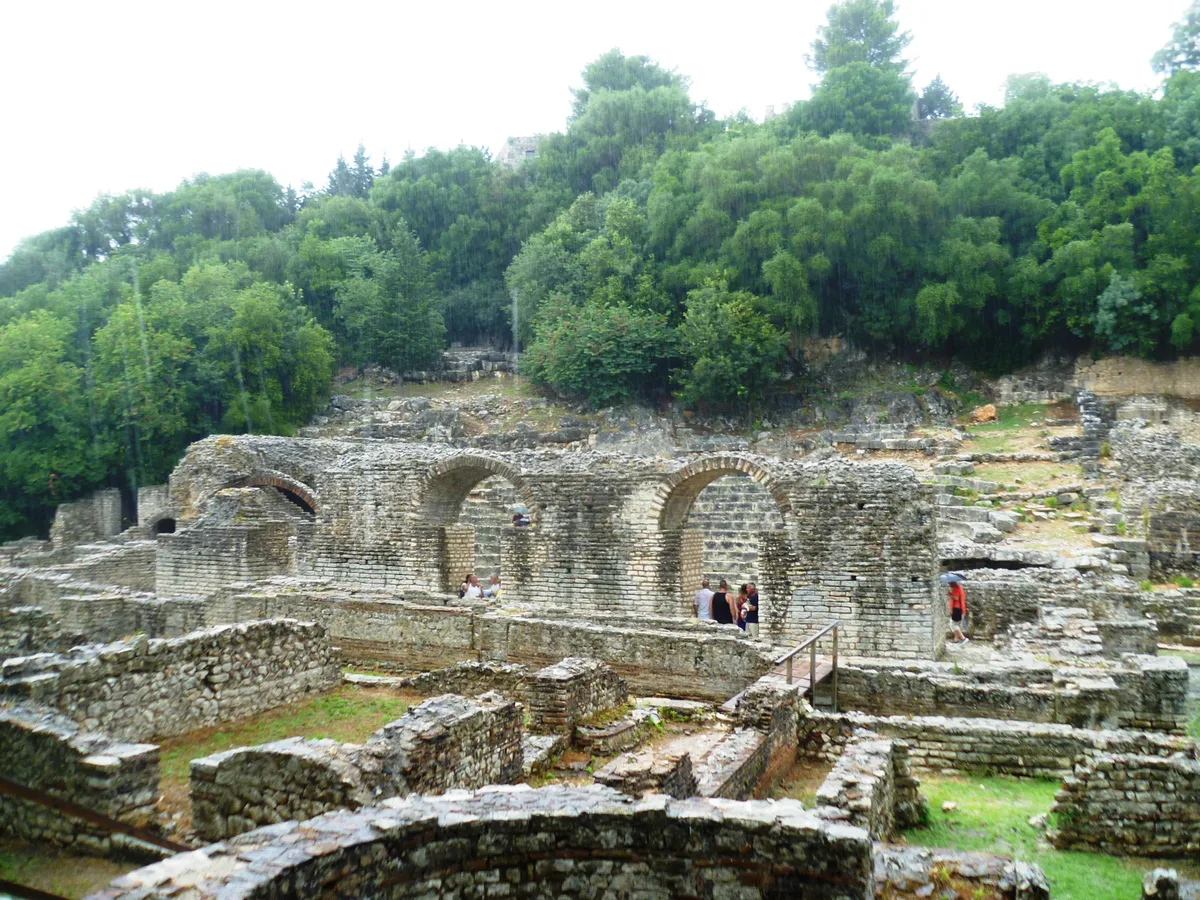
UNESCO's description identifies Butrint as a place shaped by several periods of occupation. That makes it useful to approach the site with curiosity about how different parts relate, rather than searching only for one famous view. Read the official overview before going if historical context matters to you. You do not need to memorise dates to enjoy the visit, but a little preparation can help you decide whether to spend longer reading displays or simply take a more relaxed walk through the site.
Keep historical expectations separate from current visitor access. A feature mentioned in a heritage description may not answer whether it is accessible on your date, included in the current route or suitable for every visitor. Use the site's current visitor information for opening, admission and access questions. Ask about any particular area that is essential to your visit. Do not assume that a photograph or an old itinerary establishes the route that staff will direct you to follow when you arrive.
The car lets you choose when to approach the site and how to combine it with the rest of your stay. It does not remove the need to plan the walking experience. If your main interest is careful viewing, give yourself fewer other stops. If you prefer a lighter introduction, choose a manageable visit and leave with time and energy for the drive back.
Set the visitor approach as the navigation target
Navigate to the current visitor entrance and permitted parking, not simply to the centre of the archaeological area on a map. A destination pin can point inside a site or toward an approach that is not intended for ordinary visitors. Check the official information and current local instructions before departure. Save the parking entrance separately from the attraction name. This is especially useful if you are travelling from a hotel whose own entrance first requires a different route out to the main road.
Review the route from Saranda at a broad level so you recognise the direction through the Ksamil area. Let live navigation help with current conditions, but do not follow an unfamiliar shortcut merely because it saves a few displayed minutes. A narrow lane, rough exit or onward crossing can change the journey in ways a road estimate does not explain. If a proposed segment is unclear, choose the established suitable approach and ask about the uncertain part before using it.
Near the site, slow the decision-making down. Follow signs and staff directions for vehicles, then park before studying the visitor map or organising bags. Do not stop across an entrance while the group decides what to take. The final approach is part of the visit's preparation: getting it right gives you a calmer start once you leave the car.
Check opening and last entry before leaving Saranda
Look up the site's current opening and admission arrangements for your date. Pay attention to last entry as well as closing time, and check whether any area important to you has separate arrangements. A general statement that Butrint is open does not tell you whether arriving late will leave a worthwhile visit. Do not build a day around an old screenshot or a travel article from another season. Use the site's current information or a direct enquiry when the detail is essential.
Work backwards from a sensible finish. Allow for the walk back to the entrance, time to reach the car and the drive to your next stop. If you arrive later than planned, reassess the visit before buying other activities or making promises about the afternoon. A shorter visit may still be worthwhile, but it should be a conscious choice. Avoid assuming that you can cover the same ground simply by walking faster, especially in a group with different abilities.
Keep a weather and access alternative. If current conditions make a long outdoor visit unattractive, you may prefer another day during the rental. Check any ticket conditions before changing plans. A car provides control over departure, but it cannot guarantee that every site area will be available. Planning with current access information lets you use that control effectively.
Make parking a separate step in the itinerary
Allow time to locate a lawful parking area, understand the current charging arrangement and walk to the visitor entrance. Do not assume parking is free, included with admission or always available close to the gate. Those are details to confirm on the day or through current visitor information. If the first option is full, follow authorised directions to an alternative rather than leaving the car on an uncertain verge or across an access route. A busy entrance is not a reason to improvise a parking rule.
Choose a space that you can leave safely when you return. Consider the turning room, nearby pedestrians and whether another vehicle could block the exit. Avoid parking on a rough edge that conflicts with your rental conditions. If the area has an attendant or payment process, make sure you understand where and how to pay and keep the relevant record. Current signs and authorised instructions should determine the arrangement, not an assumption based on where other cars happen to stand.
Before leaving the car, save its location and check the essentials you need for the walk. Take valuables with you and keep unnecessary luggage at your accommodation where possible. Put the keys somewhere secure and accessible. The aim is to finish the vehicle tasks once, so you can focus on the archaeological visit without repeatedly returning to the parking area for forgotten items.
Prepare for walking on varied surfaces
Choose footwear for the visit rather than for the beach you might visit later. Archaeological settings can involve uneven ground, steps and changes of level. Check current route and access information if anyone has concerns about those conditions. A place being reachable by car does not establish an easy path through every part of it. Plan the walking distance around the person who needs the most time, and include the route back to the entrance in that calculation.
Carry water and the essentials you can manage without an overloaded bag. Heat, sun and the time spent standing to look at details can make the visit feel more demanding than the distance alone suggests. Take rests before the group is exhausted. If you are combining the visit with a beach stop, keep a separate small set of walking items so that you do not have to carry towels and bulky equipment around the site unnecessarily.
Use the current visitor route and respect barriers or closed areas. An appealing angle for a photograph is not a reason to leave the permitted path. If the route becomes unsuitable for a member of the group, ask staff about a shorter option and turn back when appropriate. A comfortable partial visit is better than pressing on until the return walk becomes difficult.
Ask specific access questions for limited mobility
If a traveller has limited mobility, contact the site before the outing with specific questions about the current visitor route. Ask about the surface from parking to the entrance, gradients, steps, resting places and any accessible facilities that matter to the person. A broad question such as whether the site is accessible may produce an answer that does not match their needs. Explain the equipment used and the kind of assistance required, sharing only the relevant practical information.
Plan what happens if only part of the site is suitable. The group may choose a shorter shared route, divide for a while or arrange another activity. Make that decision together before arrival so nobody feels unexpectedly left behind. If the group splits, agree a clear meeting place and time, and ensure the person waiting has what they need. Do not assume that the car park or entrance will provide a comfortable waiting environment without checking.
Consider the car's usefulness for the approach separately from accessibility inside the site. A larger vehicle may help carry equipment, but it does not solve steps or uneven paths. Choose a rental that fits the equipment safely, then use current site information to design the visit. This keeps the transport choice and the walking plan connected without expecting either one to answer the other's limitations.
Give children a manageable archaeological visit
For a family visit, set a pace that allows children to look, ask questions and rest. A long list of must-see features can make the day harder than a smaller number explored with interest. Bring the practical essentials and decide in advance when a break or early finish would be sensible. If using a pushchair, ask about the current route and surfaces before relying on it throughout the site. Consider whether another safe carrying or walking arrangement is needed for parts of the visit.
Make the transition from car to site deliberate. Use the parking stop to check water, footwear and the bags you actually want to carry. Leave bulky beach equipment behind at the accommodation if it is not needed that day. Keep children close in areas where vehicles are moving and follow the visitor route once inside. A short explanation of what the group will do first can help the visit feel understandable rather than like an open-ended walk after a drive.
Do not promise a full beach afternoon as a reward that forces the archaeological visit to finish at an unrealistic time. If a second stop is planned, make it flexible and suitable for the energy left. The day can be successful with Butrint and a simple meal. A rental car is useful because you can adjust the return, not because you must add another major activity.
Choose a route through the site that matches your interest
Use the current visitor map and signs to understand the available route before setting off from the entrance. Decide whether you want a broad introduction or a slower visit focused on interpretation. The group does not need to move at one fixed speed everywhere. Some parts may invite a longer pause while others can be passed more quickly. Leave enough room in the day for that natural variation instead of trying to maintain a pace calculated from the total walking distance.
If a guide or interpretive service is important to you, check current availability, language and arrangements before the visit. Do not assume a service will be waiting at the time you arrive. Ask what is included and how long it normally requires. A guided visit may affect the timing of a later Ksamil stop or meal, so place it in the plan before treating the rest of the afternoon as free.
Keep the walk back in mind. A route that leads farther from the entrance may require time and energy to return even if you choose to stop viewing new areas. Let the group reassess at useful points. If the weather changes or interest fades, you can shorten the visit without making it a failure. The goal is to leave with a worthwhile experience and enough comfort for the remaining journey.
Handle photographs without slowing everyone by surprise
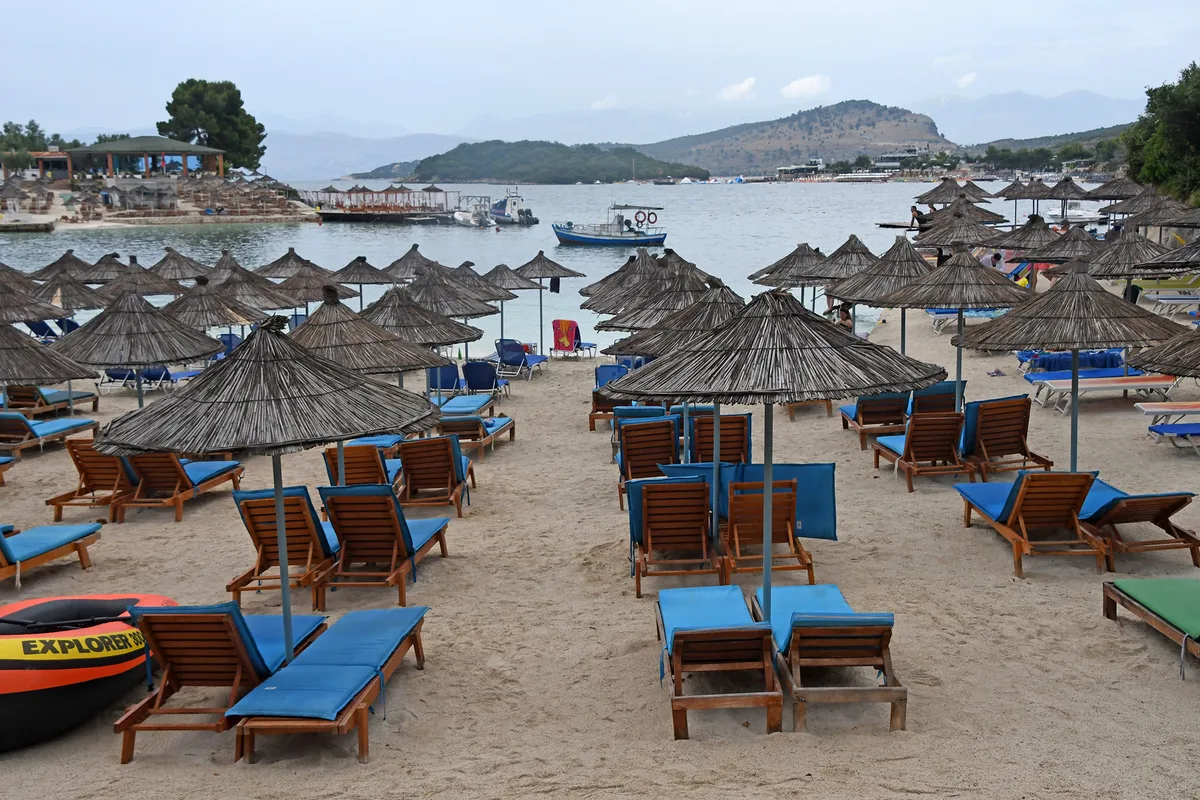
Butrint can reward careful looking, and photography may be part of why you visit. Tell your companions if you expect to spend time composing images rather than taking a few quick snapshots. That helps the group choose a pace and meeting arrangement that suits everyone. Use permitted paths and current site rules when choosing a position. Do not climb on remains, cross barriers or block a narrow route to recreate an image you have seen elsewhere.
Keep equipment manageable on the walk. A heavy bag that seemed reasonable beside the car may feel burdensome later, especially in warm conditions. Bring the equipment you expect to use and leave unnecessary items securely at your accommodation. Check any current rules for specialist equipment or activities before travel. The fact that ordinary photography is part of many visits should not be taken as permission for every type of recording or setup.
If the group divides briefly, agree a visible meeting place and a realistic time to regroup. Keep a way to contact each other that does not rely entirely on a connection working everywhere. The car keys should remain with the person who will be available at the agreed end of the visit. A little coordination lets photography enrich the outing without making other travellers feel they are waiting without a plan.
Combine with Ksamil by choosing one main purpose
Butrint and Ksamil can fit into the same day when you give one the leading role. If you want a substantial archaeological visit, plan the site first and keep the later meal or beach stop open to adjustment. If you want a long beach day, consider visiting Butrint separately rather than compressing it into the last available slot. The route connection is useful, but it does not remove parking, changing, walking and meal time at the second destination.
Prepare the different equipment each stop needs. Walking shoes and water belong in the site plan; towels and beach items belong in the other. Organise them so you can change what you carry while parked without spreading luggage across a busy area. Confirm the parking and entrance for the Ksamil stop too. A town name in navigation is not enough to know whether the second stop has easy access or whether its last approach is suitable for the rental.
At the end of the Butrint visit, check the time and the group's energy before continuing. A simple meal on a suitable route may be a better second stop than a search for a particular beach. If you decide to return directly to Saranda, you have still used the car for a complete and worthwhile outing. Optional should mean that the day works without it.
Avoid turning the visit into an unplanned road loop
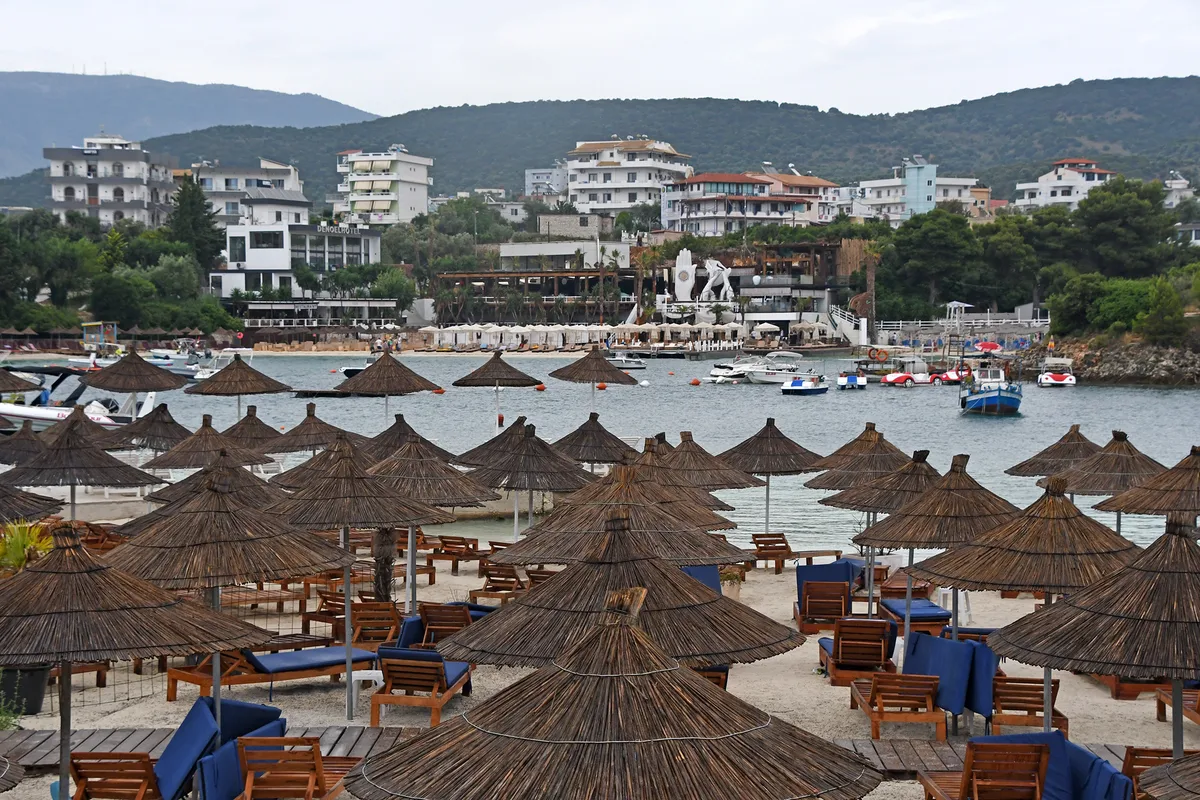
Maps may show onward routes and crossings around the wider Butrint area that make a loop look appealing. Do not assume they are a suitable extension of the visitor drive. Check the surface, current access, any crossing requirements and the rental agreement before using an unfamiliar segment. A connection drawn on a map is not evidence that your supplier permits it or that it is appropriate for the car. Returning on the known suitable approach can be the sensible choice.
Ask route questions before setting out, with enough detail for a useful answer. Name the particular segment or crossing you are considering rather than asking only whether you can visit Butrint. If the answer is incomplete, keep the excursion to the confirmed route. There is no need to make a circular drive merely to avoid retracing a road. The value of the day lies in the site visit, and a predictable return can leave more time to enjoy it.
If navigation offers an unexpected shortcut on the way back, stop in a safe place to review it before committing. Current traffic may justify a change, but the change still needs to fit the agreement and road conditions. Do not let a small claimed time saving lead you onto an uncertain road at the end of a tiring visit.
Keep the rental choice proportionate to the trip
For a Butrint outing on an approved paved route, choose the car around passengers, bags and driver comfort rather than assuming an archaeological destination requires a special vehicle. Check transmission and usable luggage space. If the car is part of a longer holiday, base the size on the busiest travel day, then keep the day-trip load light. A large vehicle may add space while making a tight hotel parking entrance less convenient; assess both ends of the journey.
Check the rental period and return time before choosing which day to visit. A trip on the final hire day needs more margin for fuel and inspection than one in the middle of the stay. Confirm any mileage conditions for your full itinerary, not just this outing. The cost of admission, parking and meals should sit separately from the rental quote so that you do not mistake the car price for the whole day's budget.
Read deposit and cover terms when selecting the offer, then keep the route page focused on the visit. A zero-deposit arrangement does not authorise an unpaved shortcut or remove the incident procedure. Once the rental conditions fit the planned road, you can spend your attention on the day itself: arriving with enough time, walking comfortably and returning without pressure.
Plan the return while you still have energy
Before the visit, decide what a comfortable return to Saranda looks like. Include the walk to the car, any meal stop and the final approach to your accommodation. If you are returning in a period when parking at the property is less predictable, know the alternative in advance. A long day can feel more tiring when the last task becomes searching for a space with everyone ready to get out. Resolve the hotel parking arrangement as part of choosing the day's end time.
At the car, pause before driving. Put bags where they cannot move into the passenger or driver area, check the surroundings and set the route while stationary. Take a short rest if the driver needs it. If the visit ran longer than expected, remove an optional stop rather than trying to recover time on the road. The return should remain a normal drive, not a race against a plan that no longer matches the day.
If the rental return or a ferry is scheduled for later, allow extra room and reconsider the combination if it feels tight. Butrint deserves enough time that a slow walk does not threaten an onward booking. Placing the visit on another day may be the simplest improvement. The freedom of a rental includes choosing when a route is worth doing, not only how to get there.
Use a short departure checklist for a better visit
Check current visitor information, the correct entrance, permitted parking and the expected weather before leaving Saranda. Confirm that the road approach fits your rental. Pack suitable footwear, water and a small bag for essentials. Agree the main purpose of the day and whether Ksamil is a firm second visit or a flexible possibility. These decisions make it easier to enjoy the site because you are not trying to solve the arrival and afternoon plan while already walking.
Keep the site visit separate from assumptions about accessibility or opening. If a particular area, guide or facility matters, verify it directly. Give the group a clear way to shorten the walk if needed. Save the parked location and the route back to the accommodation. A successful visit can be extensive or selective; what matters is that the time, walking conditions and interests fit the people making it.
Use Vrenty Car to compare a Saranda rental once you know the transport requirements that support this day and the rest of the holiday. The car should get you to a suitable parking point and back comfortably. Butrint then has room to be the destination, with time spent exploring rather than merely arriving. That is the difference between adding a pin to an itinerary and planning a visit worth making.