VRENTY CAR · SARANDA
Parking and driving in Saranda: handle the small details early
The most useful driving preparation often happens before the engine starts: the correct hotel entrance, an agreed port meeting point and a clear return plan.
Reviewed 20 September 2026
On this page
Start with a calm port handover
Confirm where the representative can lawfully meet you after entry formalities. Inspect the car in a suitable place, record existing damage and learn the controls before moving into traffic. Do not rush because another part of your arrival ran late.
Ask for the vehicle entrance
A hotel's map pin may identify reception or a pedestrian approach. Request the actual driveway, garage entrance or agreed unloading point. Clarify whether parking is reserved, shared or off-site and whether your selected car will fit.
Saranda to Ksamil by car: plan the beach day beyond the drive
Read signs at each stop
Use current local signs and authorised payment instructions to assess a space. Another vehicle parked nearby does not establish permission. Leave entrances clear, avoid difficult reversing manoeuvres and keep a second parking option when the first is full.
Prepare fuel and return records
Confirm fuel type and policy at collection. Allow time for a suitable filling stop and keep the receipt where useful. Return at the agreed place and time, photograph the condition and fuel reading, and request the supplier's return record.
Official information: Localrent: terms ↗
Begin with the handover and the first exit
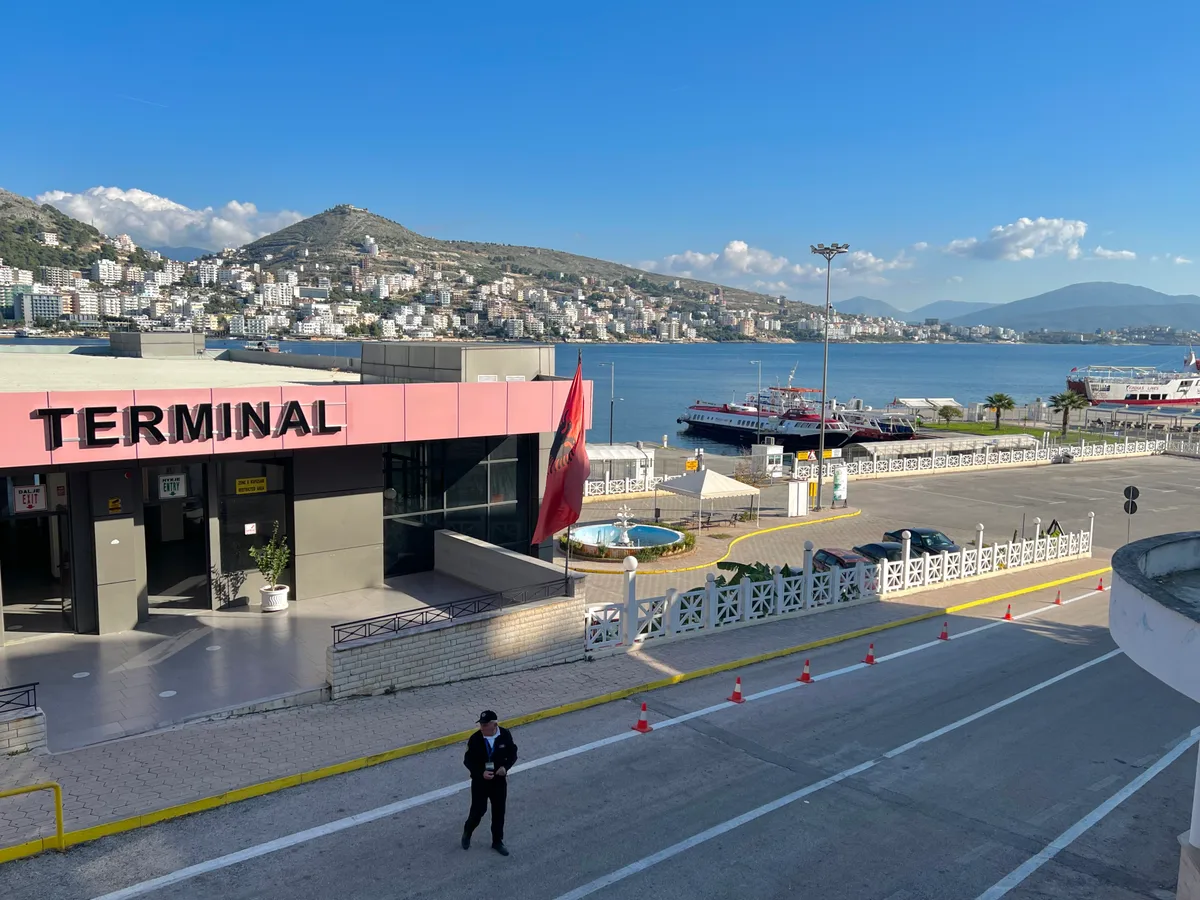
Before the ferry arrives, know where the supplier can meet you after entry formalities, where the car can be inspected and how you will leave the port area. A port label is not enough on its own. Ask for a practical map pin, a contact method that works after arrival and a clear point for loading bags without standing in moving traffic. If the sailing is late, send a factual update and wait for revised instructions rather than walking between vague landmarks.
Keep the first drive modest. Set the hotel or another easy stop before moving, learn the basic controls while parked and save the supplier contact where a passenger can find it. Arrival fatigue is a reason to slow the process down, not to skip the vehicle check. A calm first ten minutes helps every later parking decision feel less rushed.
Inspect the car before bags hide the details
Compare the vehicle, rental period, fuel policy, return place and requested extras with the confirmation before loading everything into the boot. Walk around the car with the representative, have existing damage recorded and take clear photographs of panels, wheels, glass, the interior and the dashboard readings. If a warning light, missing item or condition issue affects use of the car, raise it before leaving.
Confirm the fuel type, how the filler opens and what to do after a breakdown, warning light, collision or new damage. Do not arrange repairs, towing or paid assistance on the supplier's behalf unless the agreement or supplier tells you to do so. The useful notes are short and practical: who to contact, what information to provide and which records to keep.
Ask the hotel for the actual vehicle entrance
A property address may point to reception, a pedestrian stair or a street above the building rather than to the place where a car can stop. Ask for the driveway, garage, unloading point or nearby parking option and save it separately from the public hotel name. This matters in Saranda because slopes, one-way movements and waterfront traffic can make the final metres harder than the main route.
Clarify whether parking is reserved, shared, paid, off-site or available only when free. Ask about gates, codes, height limits and what to do if another guest is blocking the space. If access is difficult, call from a suitable place instead of leaving the rental across an entrance while someone looks for staff. A little preparation here protects both the car and the holiday schedule.
Read every parking space as a new decision
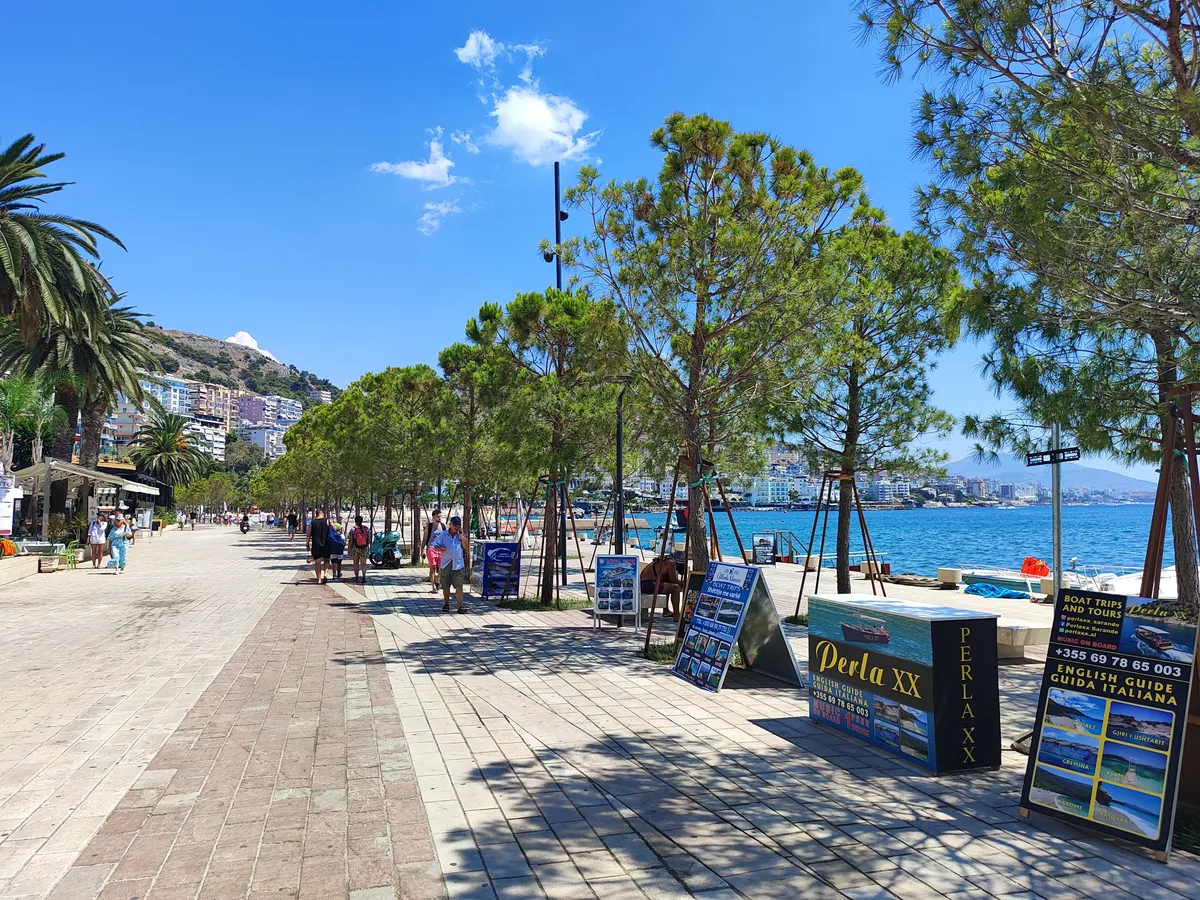
Use current signs, road markings and authorised payment instructions for each stop. Another parked car does not prove that a space is legal or suitable for a rental. Check time limits, reserved bays, pedestrian access and whether you can leave without reversing blindly into traffic. If the area is full, use a planned alternative rather than circling until an awkward gap feels acceptable.
On a slope, secure the vehicle exactly as the car instructions require and avoid experimenting with the parking brake or transmission while traffic waits behind you. If the manoeuvre feels uncomfortable, choose another space and walk farther. Small-car convenience often matters more in Saranda than category prestige, especially near hotels, the promenade and busy beach-day returns.
If you are blocked in or the car is missing
If another vehicle blocks your exit, stay calm and use the local contact points around the space first: the accommodation, restaurant, parking attendant or nearby authorised operator. Do not move another vehicle, leave the rental in a more dangerous position or force a manoeuvre that could create damage. Message the supplier if the delay may affect return time, ferry timing or an agreed handover, and keep a short record of the situation.
If the car is no longer where you left it, first re-check the exact location and any parking receipt or photo. Then contact the parking operator, accommodation and supplier before assuming theft or arranging recovery. If there is an immediate safety issue, official enforcement action or a suspected crime, use the local authorities through the appropriate emergency or police channel. For a rental, the supplier's instructions matter before paying an unofficial release fee or signing anything you do not understand.
Keep route permission separate from vehicle capability
A rental agreement can restrict roads even when the car could physically drive them. Read the current conditions for the selected offer and ask about any uncertain segment before building the day around it. A beach access road, rough parking edge or mountain shortcut is not approved simply because navigation suggests it. If permission is unclear, use a paved authorised approach and walk where appropriate.
Use the same thinking for Ksamil, Butrint, Gjirokaster and the coast north toward Himare. Save the destination entrance, a lawful parking option and a turn-around point that leaves daylight for unfamiliar roads. An SUV or crossover may help with space or seating position, but it does not change road restrictions or incident procedures.
Leave the car parked when walking is easier
A rental does not need to move for every short errand in Saranda. Once you have a lawful space at the accommodation or near the waterfront, compare the whole movement before driving again: leaving the space, finding another one, walking back and repeating the process later. For restaurants, small shops and promenade stops, staying parked can be the calmer choice and may reduce the risk of a hurried return manoeuvre.
Use the car for journeys where it clearly adds value: moving luggage, reaching Ksamil, visiting Butrint, going inland or taking a planned coastal drive. If a day is mostly local, let the car rest securely and keep the keys, documents and parking record organised. This makes the rental feel less like pressure to drive and more like a tool for the days when distance, bags or timing actually matter.

Handle fuel, fines and damage through records
Plan fuel before it becomes urgent and use the policy recorded for your car rather than assuming every rental is full-to-full. Keep the final filling receipt when it helps show how the return condition was met. Parking tickets, fines, cleaning issues and fuel differences can still matter even when a car was booked with no deposit, so keep the evidence that explains what happened.
After a warning, collision, parking scrape or other damage, first make people safe, then follow the supplier's procedure and any official reporting requirement that applies. Give facts: location, time, vehicle details, photographs and whether the car can be moved safely. Do not turn a practical problem into a long argument at the roadside. A concise record usually helps more than assumptions about who will pay.
Localrent Albania conditions specify return at the collection fuel level. A shortage is charged using the rental company's rate, while fuel above that level is not reimbursed. Photograph the gauge at pickup and return, and compare it with the agreed record before the ferry-day handover. Do not automatically fill the tank when it was collected partly full; resolve any discrepancy with the supplier before departing.
Return before the ferry countdown becomes tight
Treat the rental return as its own appointment before ferry check-in. Confirm the place, local time, inspection process, key procedure and how you will reach the passenger terminal with luggage after the handover. A meeting point described as near the port may still require walking or another transfer, so do not place it in the last available minutes.
Unload, photograph the condition and dashboard readings, request the return record where possible and clarify any proposed charge before leaving. If your sailing changes, tell the supplier and ask for a revised return arrangement instead of assuming the hire has extended. Once the car is handed back, check documents, phones, tickets and bags before entering the terminal routine.
When you compare cars through Vrenty Car, use what this page helped define: a manageable size, suitable transmission, clear pickup, permitted routes, realistic parking and a return that fits the ferry. The best Saranda rental is not the one with the longest itinerary on paper; it is the one you can use calmly each day.
Plan safe stops and daylight on the Himare coastal drive · Car Rental Saranda Port