VRENTY CAR · SARANDA
The Blue Eye from Saranda: drive to the approach, then walk
This guide concerns the southern Syri i Kalter near Krongj, on the Saranda-Gjirokaster route. It is a different destination from the Blue Eye near Theth.
Reviewed 20 September 2026
On this page
Check the correct destination pin
Search results can mix Albania's two Blue Eye destinations. Check the wider map and confirm that your chosen approach is near Krongj in southern Albania. Save the permitted parking entrance as well as the attraction itself.
Budget for the walk from parking
Do not equate reaching the parking area with reaching the spring. Ask about current access, the walking route, gradients and any authorised transport options if these affect your group. Conditions and services can change, so plan using information for your travel date.
Parking and driving in Saranda: handle the small details early
Respect the protected natural setting
Follow site instructions and barriers, carry out your rubbish and keep to permitted visitor routes. Do not plan around swimming, diving or driving to the water. Attractive photographs do not establish that an activity is allowed.
Be selective about an inland combination
Gjirokaster can look like an obvious extension on a map, but it deserves time for parking and walking in its own right. Choose one main visit and leave the other optional. A rental car helps you adjust the plan when the first stop takes longer.
Official information: Albania Tourism: Blue Eye ↗
Check the route from your actual starting point, current travel time and permitted access.
Make sure the map points to southern Albania
Albania has more than one attraction described in English as the Blue Eye. For a trip from Saranda, this guide concerns the southern Syri i Kalter near Krongj, on the Saranda-Gjirokaster route. The Blue Eye near Theth belongs to a different region and a very different itinerary. Before saving directions, zoom out and check the wider location. A photograph of blue water or a familiar name is not enough to identify the destination. Search results, saved lists and shared pins can easily mix the two.
Save the current visitor approach and permitted parking as well as the attraction itself. A pin placed over the spring may be useful for orientation but unsuitable as a driving destination. Check the official tourism information and current local access instructions when preparing the outing. If someone else in your group has planned the route, ask them to share the actual map location rather than only the attraction name. This simple check can prevent a major misunderstanding before it becomes part of the rental itinerary.
Once the destination is clear, describe the outing as a drive followed by a nature walk. That gives the group a more accurate expectation than saying you will drive to the water. It also makes the planning questions obvious: where the car must stop, how far and on what surface you will walk, what facilities are available and how much time you want to spend there.
Choose a nature visit rather than a quick roadside stop
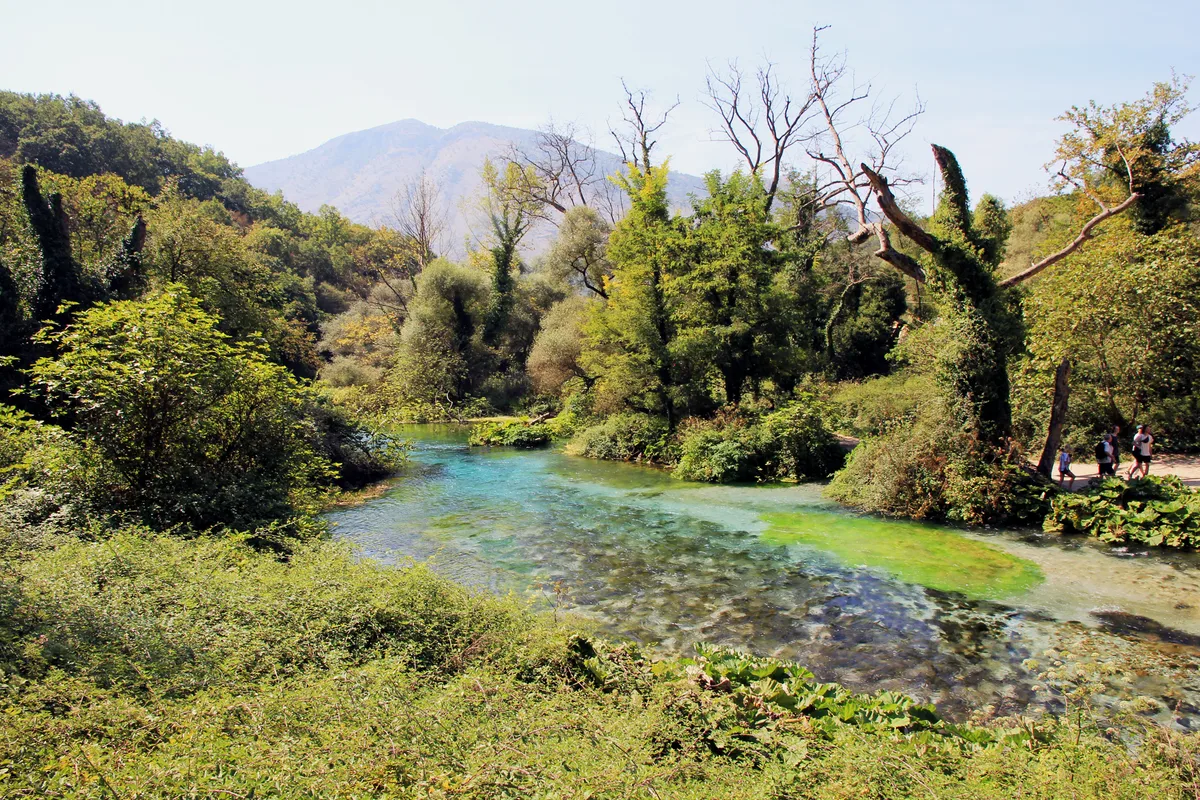
The southern Blue Eye is often tempting as a small addition to a larger inland day. Treat it as a separate visit with its own arrival, parking and walking stages. Even when the drive fits neatly on a map, getting from the parking area to the feature you want to see takes time. Decide whether the spring is the main destination or an optional stop, and give it a realistic place in the day. A rushed arrival can leave the group watching the clock before the walk has properly begun.
Think about what you want from the outing. Some travellers want a short look and photographs; others want a slower walk and time in the natural setting. Neither approach is wrong, but the group should agree before departure. If someone expects an extended visit while another expects a brief stop beside the car, the disagreement will appear at the entrance. Use the planning stage to decide how much walking and waiting everyone is comfortable with.
Keep a simple alternative for the afternoon. A meal or an early return to Saranda may be enough after the visit. You do not need another major destination to justify having a rental car that day. The ability to leave when the group is ready is one of the reasons to choose a car, especially when weather and energy can change how long an outdoor visit feels comfortable.
Plan the road and the visitor walk separately
Use current navigation for the road journey, then add a separate allowance for parking, any admission process and the walk. Do not use the drive estimate as the time you will reach the spring. The final visitor arrangements can change, so confirm the current parking and access instructions close to travel. If a source describes a previous arrangement in which cars went farther, do not assume it still applies. Your itinerary should reflect the route ordinary visitors are permitted to use on your date.
Save the route out of your Saranda accommodation as well as the destination. A hotel on a slope or with a garage entrance may need a specific approach before you reach the main road. Set navigation while parked and review the broad route so an unexpected shortcut is easier to recognise. If the suggested final segment leaves a suitable paved road, stop to assess the instructions rather than continuing because the destination appears close.
On the walking side, include the return to the car. People often allocate time to reaching the attraction and forget that the same group must make its way back, possibly in warmer conditions or with less energy. Build the day around the full out-and-back effort or the current permitted visitor route. That makes a more reliable plan than treating the spring as the endpoint of the entire excursion.
Verify current parking and entrance arrangements
Check where visitors are currently directed to park and how the entrance process works. Ask about any parking charge, admission charge and accepted payment methods where those details matter to your budget. Do not assume a figure quoted in an old review remains current or that one payment includes every service. Keep the costs separate in your notes until the current arrangement is clear. The useful information is not only how much you pay, but where you stop and what happens next.
At arrival, follow signs and authorised staff instructions. Do not try to drive closer to the spring because a map still shows a road or a vehicle has passed a barrier. Access for staff, authorised transport or another purpose may differ from visitor access. Choose a parking space that fits the rental agreement and allows a safe exit. A rough verge or unofficial shortcut is not a sensible way to avoid a short walk or an unclear queue.
Before leaving the car, put the items for the walk in a small bag and save the parking location. Check how the return route connects to the lot, particularly if the entrance and exit differ. Keep any payment record and the keys secure. Completing these tasks once lets you enjoy the visit without returning to the car for water, a forgotten document or equipment you did not need to bring.
Ask about the walk in terms that match your group
The length of a walk is only one measure of whether it suits you. Ask about the current surface, slopes, shade, steps and resting opportunities. A route described as easy by a fit visitor may be demanding for someone carrying a child or using a walking aid. Explain the needs that affect your decision and seek current information from the site or official visitor service. Do not infer access from a photo showing a broad path near one part of the route.
If the group includes people with different walking abilities, plan around the person who needs the most time. Consider a shorter visit or a shared turn-around point. If anyone may wait while others continue, agree where that will happen and check that the place is suitable. The car park is not automatically a comfortable waiting area, especially in warm weather. A plan to split the group should include water, shade, communication and access to the keys where needed.
Choose what to carry with the return walk in mind. A bag that feels light at the car may feel heavier after an hour outside, particularly if you have brought items for several other activities. Leave unnecessary beach equipment at the accommodation and take only the essentials for this visit. A manageable load can make more difference to comfort than trying to shorten the drive.
Check authorised transport without assuming it exists
You may encounter references to local transport or other ways of covering part of the visitor approach. Treat these as services to verify for your date, not as a guaranteed substitute for walking. Ask whether the service is operating, where it starts and ends, what it costs and whether it can accommodate your group or equipment. If the visit would be impossible without it, get a clear current answer before setting out. Do not build an accessibility plan around a social-media clip from another period.
Check the return arrangement too. A service that takes you toward the attraction may not remove all walking or operate exactly when you want to leave. Ask about waiting, capacity and any restrictions relevant to children or mobility aids. Distinguish authorised visitor transport from permission to use your own rental car beyond the parking point. One does not imply the other. Follow the site's directions about where private vehicles must stop.
Keep an alternative if the service is unavailable when you arrive. You may choose a shorter walk, another day's visit or a different outing. The decision should respect the group's abilities rather than rely on pressure to continue because you have already driven there. A rental car makes changing destinations possible within the agreement; it should not make you feel committed to an unsuitable walk.

Respect the protected setting and current visitor rules
The Blue Eye is a natural attraction, and the visit should follow the current rules for protecting it. Keep to permitted routes, respect barriers and avoid disturbing the water or surrounding vegetation. Carry out your rubbish and use designated facilities where provided. A photograph of someone beyond a barrier is not permission to follow them. The quality of the visit depends partly on visitors accepting the limits that keep the setting available and reduce damage from repeated access.
Do not plan the outing around swimming, diving or entering the water. Check and follow the current site instructions. Clear blue water can invite assumptions about recreation, but the visual appeal does not establish that an activity is permitted or appropriate. Pack for a nature visit and a walk, rather than arriving with the expectation of a beach session. If swimming is an important part of your holiday, plan it separately at a place where the activity and access are suitable.
Keep the same care when taking photographs. Wait for a safe position on the visitor route, allow others to pass and avoid climbing or leaning beyond protected areas to improve an angle. The car journey does not entitle you to reach every viewpoint. A good visit can involve accepting a busy viewing area, taking fewer photographs and spending more time looking without adding pressure to a confined space.
Choose weather and time of day for comfort
Look at the current forecast and consider how the walk will feel in those conditions. A warmer day may call for an earlier start, more water and a shorter plan. Wet weather can change surface conditions and the appeal of an outdoor visit. Do not assume the setting will match a photograph taken in a different season or light. The aim is to choose a day your group can enjoy, not to reproduce an image regardless of the weather.
Think about the whole day rather than only conditions at departure. The return walk and drive may take place after the temperature or weather has changed. Carry the items that help you manage that change without overloading the bag. If you are combining the Blue Eye with another destination, consider whether the group will want a second long walk after this one. A weather-aware plan may have fewer stops but give more value at each.
During busy periods, leave room for waiting at parking, entry or viewing points. Starting at a particular hour does not guarantee quiet conditions, so keep expectations flexible. During quieter periods, verify which services are operating. A calm setting can be attractive, but it may require more preparation for food, transport or facilities. Current information is more useful than a universal claim about the best time to visit.
Prepare children for the walk and the viewing area
For children, explain the outing as a walk to see a natural feature, with rules about staying on paths and away from restricted edges. That is more helpful than promising a swim or an activity you have not confirmed. Choose a manageable pace and take breaks before tiredness becomes the main experience. Check the current route if you intend to use a pushchair. A broad entrance path does not establish that every section will be convenient for it.
Carry water, simple essentials and what you need for the journey back. Keep the load practical enough that adults can still supervise children comfortably. At the parking area, take time to organise the group before approaching moving vehicles or the entrance. If the return walk may be challenging, agree in advance how you will respond rather than assuming everyone will manage because the destination is popular. A shorter visit can still be worthwhile.
Give children time to look without demanding a long stay at a crowded viewpoint. The interest may come from the walk and surroundings as much as the final view. Avoid adding Gjirokaster automatically after the visit unless the family wants another substantial outing. A simple meal and a return to the accommodation may fit the day better. The rental is useful because it lets you choose that pace.
Combine with Gjirokaster only when both visits fit
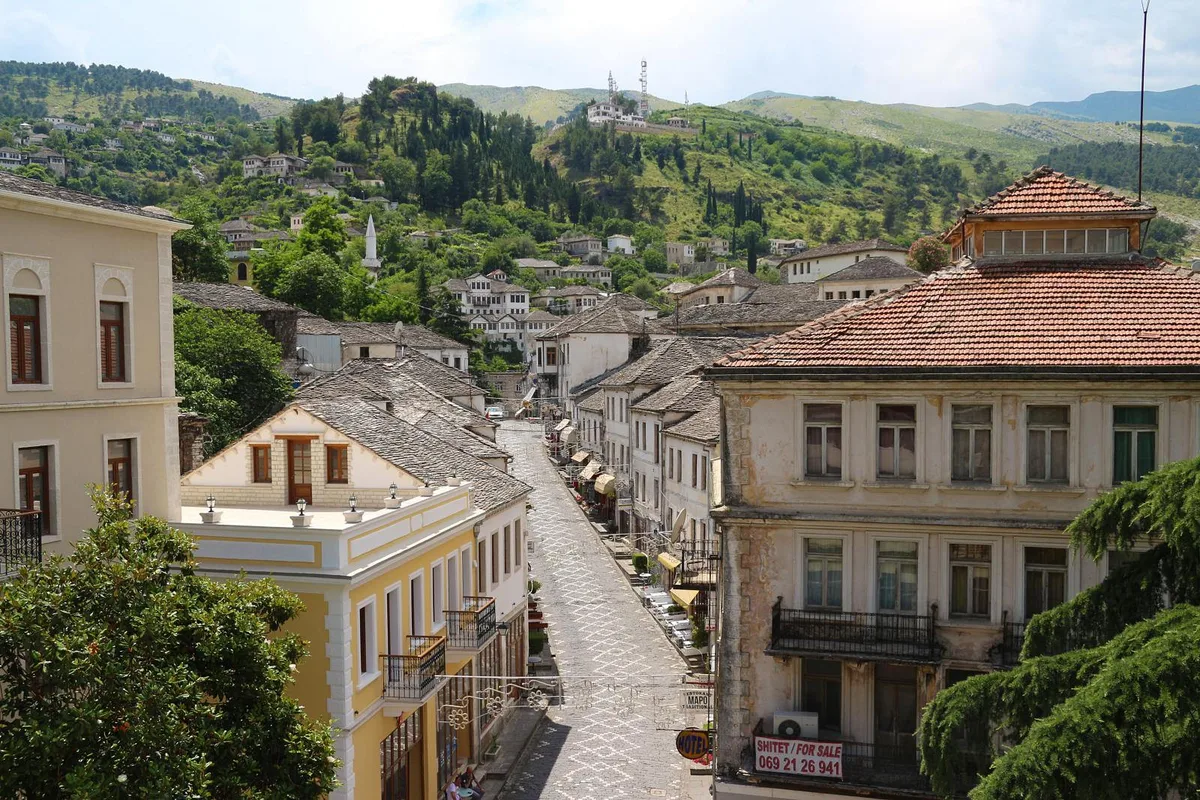
The Blue Eye and Gjirokaster are often considered together because both belong to an inland trip from Saranda. The connection can make sense, but each place has a separate parking and walking requirement. Gjirokaster's historic areas involve slopes and older streets, so it is not merely a drive-through extension after a nature walk. Decide which destination has priority and estimate the total time outside the car at both before calling the combination a day trip.
If Gjirokaster is the main interest, consider keeping the Blue Eye optional and checking the remaining time before committing to the detour. If the spring is the focus, a shorter afternoon may be preferable to reaching the city too late for the visit you wanted. Check current opening arrangements for any particular attraction in Gjirokaster. Do not make a paid or timed booking depend on completing the first visit at the fastest possible pace.
Use a clear decision point after the Blue Eye walk. Assess the daylight, the driver's energy, the group's willingness to walk again and the time needed to return to Saranda. Continue only if the second visit still offers something worthwhile. Dropping it is a normal adjustment, not a failed itinerary. You can use another rental day for the city and give both places the attention they deserve.
Keep the driving plan on permitted roads
Use a suitable paved approach and check the selected rental's restrictions before taking any unfamiliar final segment. A route to a nature attraction can tempt drivers to follow tracks or informal parking access that are not covered by the agreement. The fact that another car uses a road does not tell you whether your rental may do so. If current directions are unclear, ask the supplier about the exact segment and the site about the authorised visitor approach.
Choose the car for passenger comfort and the equipment you need, not as a way to bypass access limits. An SUV does not authorise driving past visitor parking or onto an unapproved road. For a group carrying walking aids or a pushchair, luggage space may matter more than vehicle appearance. Confirm the practical fit before booking. Once the road and car requirements are settled, the remaining challenge is the visitor walk, which a different car category will not remove.
On the drive, let the passenger handle route checks where possible. If a turn is missed or the map suggests a new shortcut, stop at a suitable place to review it. Do not hurry to recover a few minutes lost at the entrance. The return should still be comfortable after time outdoors, so keep the itinerary short enough that you are not depending on an aggressive driving pace.
Keep food, facilities and personal needs in the plan
Check current facilities if a meal, toilet stop or another service is important to your group. Do not assume that every place mentioned in an old itinerary will be open or convenient for your walking route. Bring the essentials that would make a delay manageable, while keeping the bag light enough for the visit. For anyone with specific personal needs, plan around confirmed facilities rather than hoping the site will have an appropriate option on arrival.
Decide whether you want a meal before the walk, afterwards or back on the route. A late start combined with an unplanned long lunch can leave less time for the visit than expected. Equally, skipping a needed break to preserve an ambitious itinerary can make the walk less enjoyable. Give food and rest a deliberate place in the day, especially for families. A shorter route with comfortable breaks can be more rewarding than a longer sequence of stops.
Keep spending practical. Ask about current prices and payment methods at the service you choose, and avoid relying on a single means of payment without checking acceptance. These are outing costs separate from the rental. You do not need a precise guessed budget for every item, but you should know which essential service has been confirmed and which remains a choice to make when you arrive.
Protect the return journey from an overfull afternoon
Leave time after the walk to reach the car, rest and prepare for the drive. The return is part of the outing, not unused time that must be filled with another attraction. If the driver is tired, take a break before moving. Load bags so that water bottles and loose equipment cannot roll into the footwell. Set navigation while stationary and check the road plan before leaving the parking area, particularly if the weather or traffic has changed.
Keep the final approach to your Saranda accommodation in mind. You may need to reach a specific garage entrance, open a gate or use an alternative parking space. Save that information before the excursion so it is available when everyone is ready to be back at the hotel. If your parking is shared or subject to availability, know what to do if the first space is taken. A clear ending makes a longer outdoor day feel easier.
If you are tempted to add another destination, compare the extra visit with the comfort of returning earlier. You can choose a coastal outing on another day rather than mixing a nature walk, historic city and beach drive into one sequence. Different days can have different purposes. The rental supports that variety without requiring you to cover every direction from Saranda at once.
Use a two-stage decision when the walk is uncertain
Suppose one traveller is comfortable with the drive but unsure about the walking approach. Make the first decision before leaving Saranda: obtain current information about the route and decide whether it sounds suitable. Make the second decision at the authorised parking or entrance, where you can compare that information with the conditions you actually find. Reaching the site does not oblige the group to continue beyond a sensible point. Agree this in advance so the decision does not feel like a disappointment imposed on others.
Choose a clear turn-around or meeting arrangement if the group may walk different distances. Avoid a vague plan for one person to wait somewhere while everyone else continues. Identify the actual place, whether it has the facilities needed and how the group will communicate. Include the time for those walking farther to return, not just the time to reach their destination.
This approach also helps when conditions have changed since the last update. You can keep the drive useful while making a fresh decision about the walk. The itinerary remains centred on a comfortable visit, with no need to substitute an unverified transport service or try to drive beyond the permitted visitor parking.
Check the essentials before committing to the outing
The most useful final check starts with the correct southern destination near Krongj. Confirm the current permitted parking, visitor approach and access conditions, then assess the full walk for your group. Check the forecast and any essential service you expect to use. Pack water, suitable footwear and a manageable bag. Make sure the drive stays within the rental agreement and that the return plan leaves enough time for a comfortable journey to Saranda.
Agree what would make you shorten or change the visit. The walk may be less suitable than expected, a required service may be unavailable or the weather may alter the day. A useful alternative could be another date, a shorter visit or a different outing on a permitted road. Decide without treating the distance already driven as a reason to press on. The best plan remains responsive to the people travelling and the current conditions.
When comparing cars through Vrenty Car, use the practical needs this visit reveals: enough space for the group and equipment, a driver comfortable with the route and a rental period that does not force the outing against a ferry deadline. The Blue Eye can then be a focused nature visit with a clear start and finish. You arrive knowing where the drive ends and the walk begins, and you leave with time to enjoy the rest of the stay.
Keep the source of each detail clear in your travel note. The tourism description identifies the place; current visitor instructions establish access; the supplier confirms permitted vehicle use. If those sources appear to disagree, resolve the specific question before relying on the more convenient answer. That small distinction is especially useful when an old photo shows a car or activity that is no longer part of the normal visitor arrangement.